
What Is Vibe Coding?
Vibe coding is describing what you want in plain English and letting AI write the code.
A vibe coding example
Here's how it works.
In a TokyMaker vibe coding project, students begin by connect a physical sensor to their microcontroller and program it to send data to the cloud using Adafruit.io.
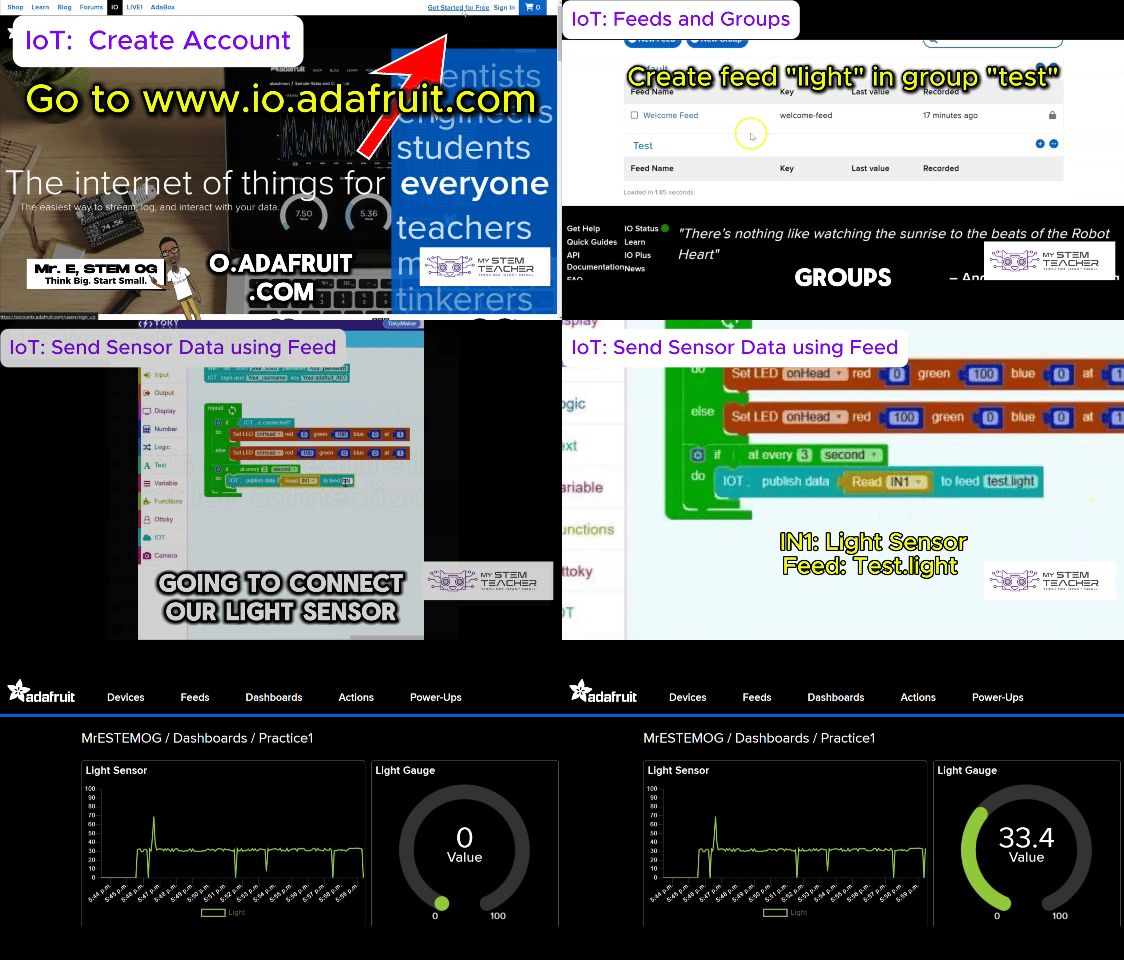
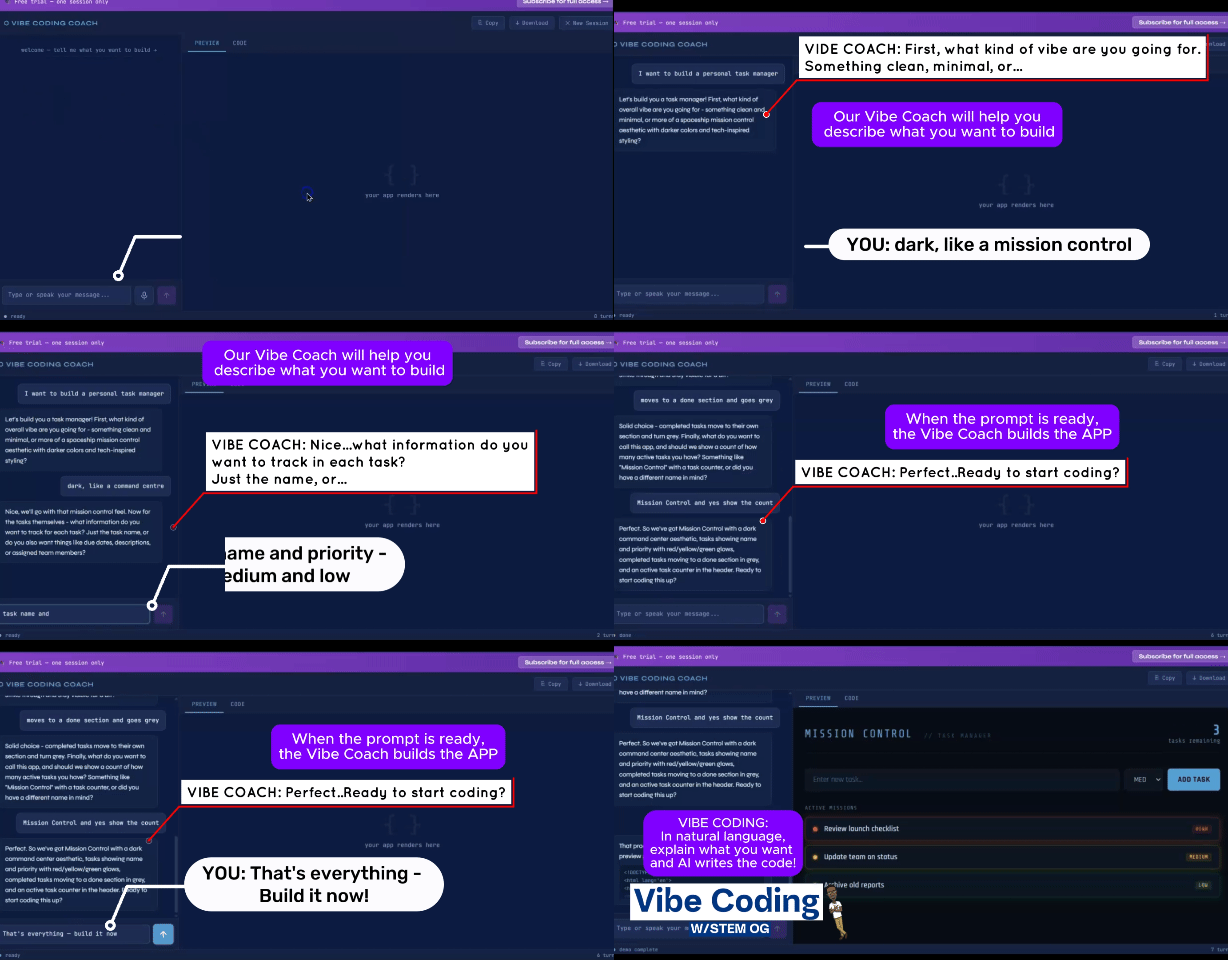
To help vibe code, STEM OG has created a Vibe Coach powered by Claude.ai. The Vibe Coach guides students as they write plain-English descriptions — called prompts — of what they want their dashboard to do and look like.
Then they use vibe coding to retrieve that data from Adafruit and build a live browser dashboard. The sensor is real.
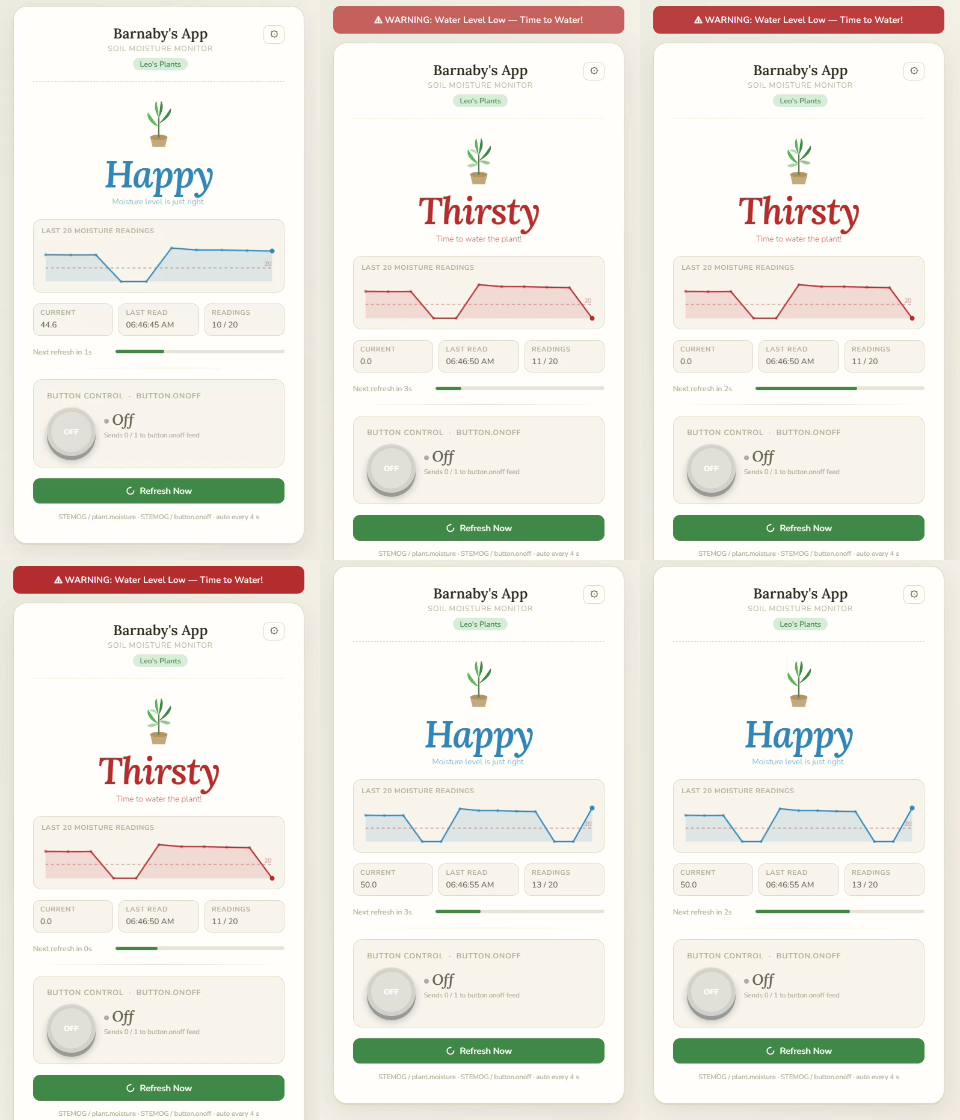
Once the prompt is clear and complete, the Vibe Coach translates it into a working HTML file that runs in any browser. Students test the dashboard, and if they want to change something, they revise their prompt and the Vibe Coach updates the code instantly.
The data is real. The dashboard works. What changed is how the code got written.
The student still has to think
Students don't just ask for a dashboard and walk away.
They have to know what they want the dashboard to do. They have to describe it precisely enough that the AI understands. They have to test the result and recognize when something's wrong. They have to explain to someone else how their project works.
This is critical thinking. Defining a problem clearly, evaluating a solution, identifying what needs fixing, and communicating how something works — these are the cognitive skills that transfer to every other domain.
Vibe coding doesn't remove thinking. It redirects it toward communication, evaluation, and iteration.
Why these skills matter for future jobs
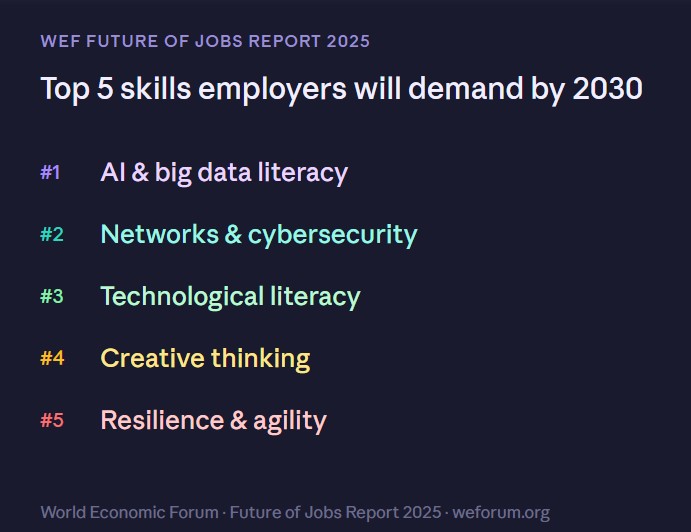
Those are the skills that transfer. Knowing how to write a precise prompt transfers to writing, to problem-solving, to any field where clear communication turns ideas into action. The World Economic Forum's 2025 Future of Jobs Report names AI literacy as one of the top skills employers will demand by 2030. Vibe coding is how students practice that literacy with real projects that actually work.
Barrier removed
The difference between vibe coding and traditional programming isn't that one is easier. It's that the bottleneck moved. The hard part used to be syntax. Now the hard part is clarity — knowing what you want well enough to describe it, and recognizing whether you got it.
That's a harder skill to teach and a more valuable one to learn. It's also the one your student will actually use.