
Build a Real IoT Dashboard in One Afternoon
Most coding projects for beginners end the same way. You follow a tutorial step by step, type what the screen tells you to type, and produce something that works — as long as you don't touch it. The moment you try to change anything, it breaks.
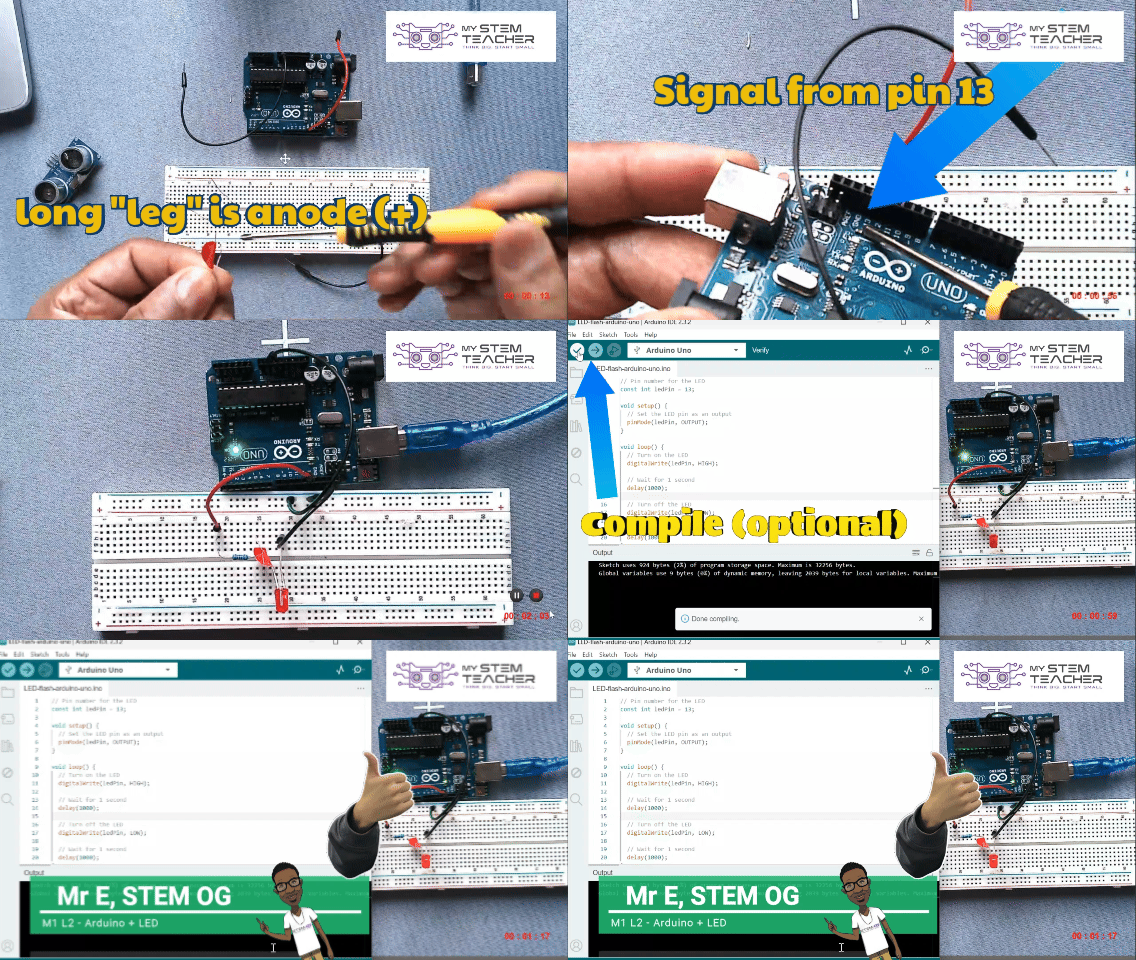
That's not learning. That's following instructions.
What you'll actually build
By the end of one afternoon, you'll have built two dashboards.
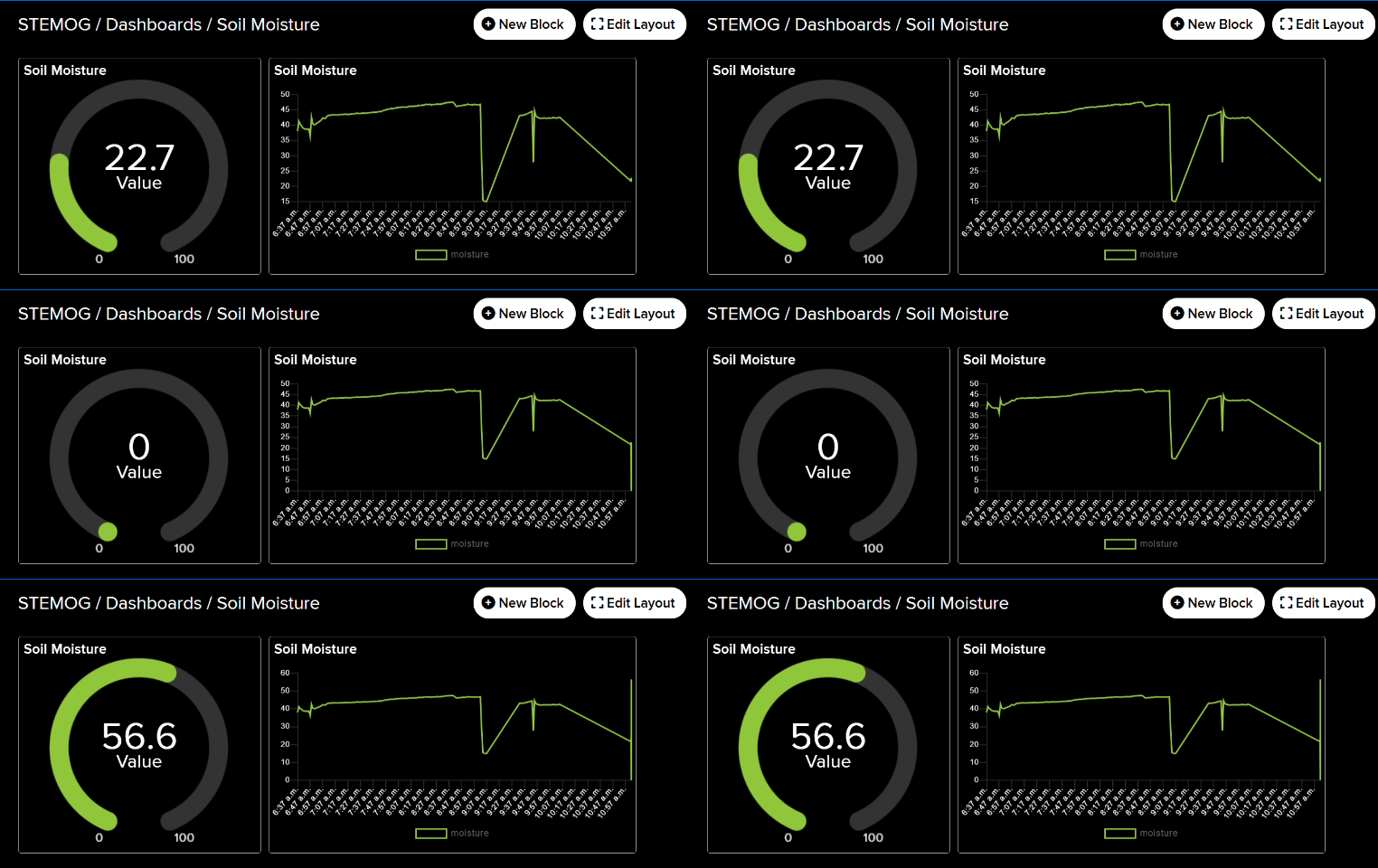
The first is in Adafruit IO — a simple display showing your sensor's real-time readings.
The second is the one you build using vibe coding: a custom browser dashboard that pulls data from Adafruit IO and displays it however you want — a large current reading, a line chart of the last 30 values, an alert when light drops below your threshold. You describe what you want in plain English. AI writes the code. The dashboard shows the reading as a number and a line chart.
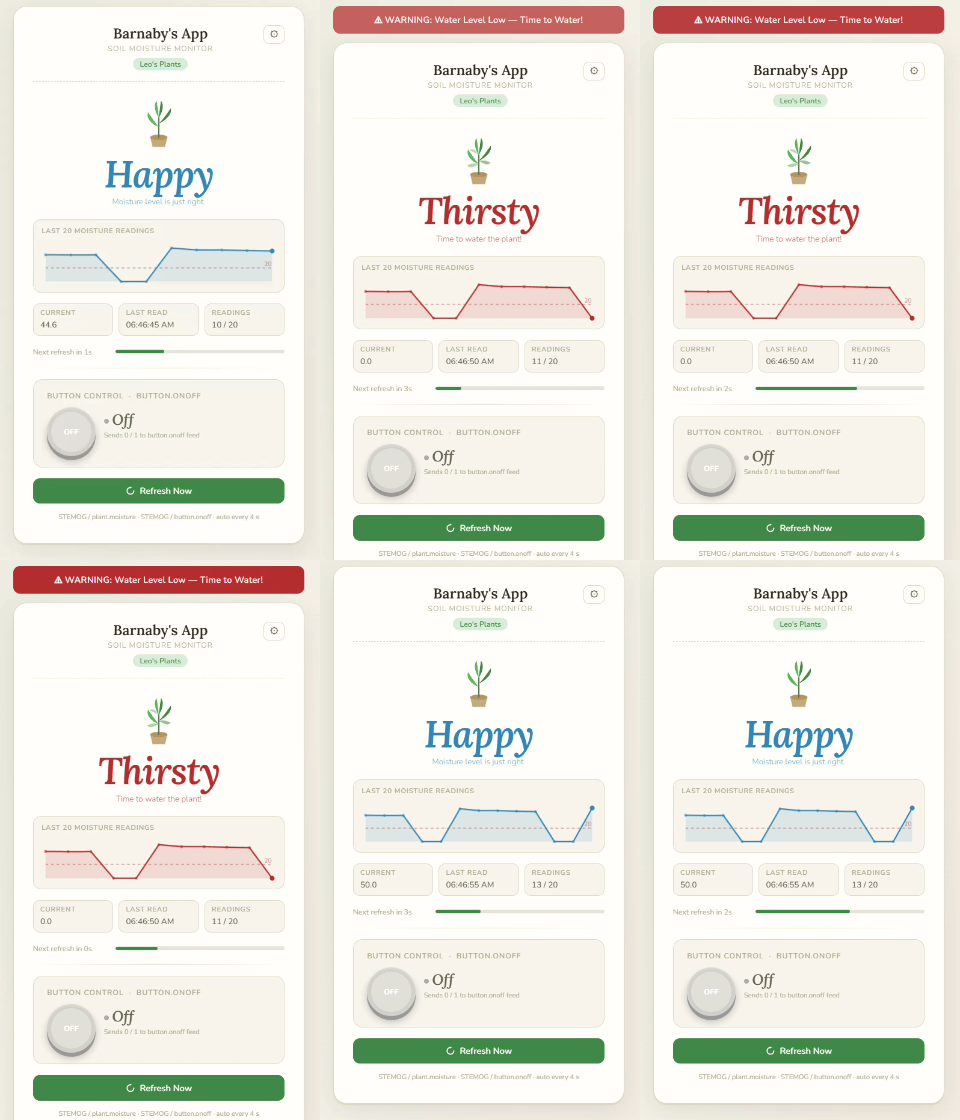
It updates automatically every few seconds. And you built it using vibe coding — describing what you want in plain English while AI writes the code.
How it works
You connect a soil moisture sensor to your TokyMaker microcontroller. You program it to send readings to Adafruit IO, a free cloud platform, every few seconds.
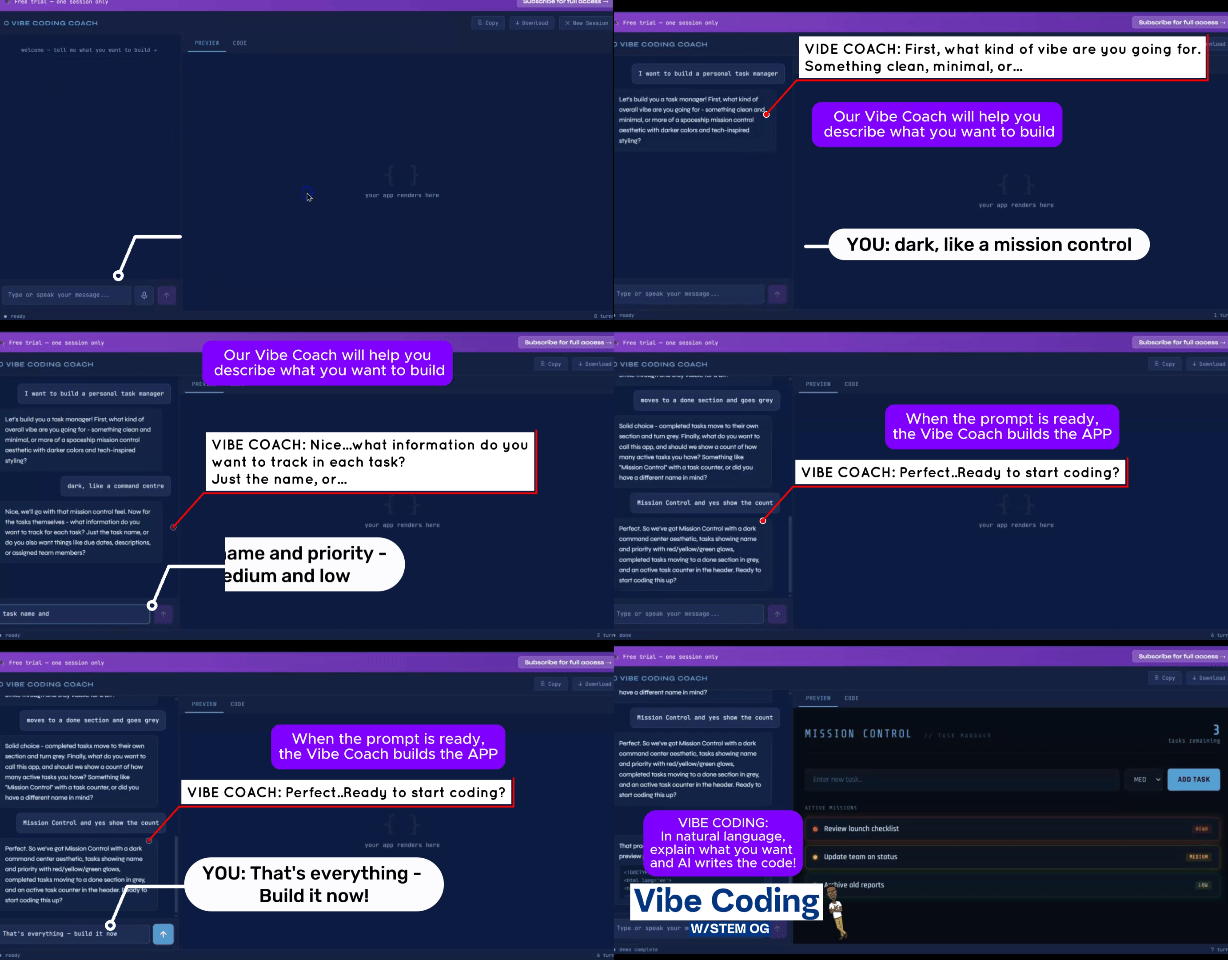
Then you open Claude.ai — your Vibe Coach — and describe the dashboard you want: a large current reading, a chart of the last 20 values, an alert when light drops below a threshold you set.
Claude writes the HTML and JavaScript. You test it in a browser. If something needs changing, you revise your prompt. Claude updates the code. You test again. That cycle — describe, test, revise — is the actual skill being practiced. It's not syntax. It's clarity, evaluation, and iteration.
The real skill you're practicing
The sensor is real. The data is real. The dashboard works in any browser. What changed from traditional coding tutorials is how the code got written. You directed an AI tool precisely enough to produce what you wanted, then verified it worked.
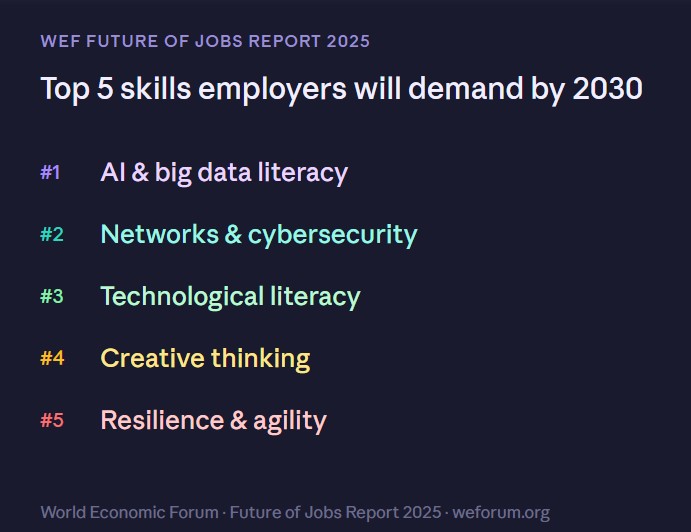
That's AI fluency — the skill the World Economic Forum identifies as critical for students entering the workforce by 2030.
This isn't a toy project. It's a beginner version of the IoT monitoring systems used in smart homes, agriculture, and industrial facilities.
And it's yours. Working. Running live in a browser. Built in one afternoon.